

How to Revolutionize Urban Projects with Sustainable Practices in the United States

Sustainable Urban Project Strategies
In the evolving landscape of sustainable urban projects, advancing water management systems is pivotal for eco-friendly development. Mining water management remains at the forefront of this effort, particularly in projects like those undertaken in Austin's Mueller neighborhood. With urban areas constantly growing, efficiently managing water resources ensures the long-term viability of sustainable infrastructures.
When it comes to the mine water treatment, innovative building techniques prove invaluable. Utilizing cutting-edge technologies helps minimize environmental impact while maximizing efficiency. Construction professionals can adopt practices seen in the green roof initiatives at the George W. Bush Presidential Center in Dallas, which combine form and functionality to enhance urban ecosystems.
Furthermore, a mining dewatering system can be an integral part of urban planning, reducing pollution and promoting water conservation. By incorporating such facilities into urban designs, civil engineers play a crucial role in ensuring our cities remain sustainable and resilient in the face of environmental challenges.
Integrating these systems into projects not only solves immediate waste disposal concerns but also opens new opportunities for water reuse and conservation. For urban planners and engineers focused on eco-friendly construction, considering these elements can create a ripple effect of sustainable practices enhancing the environmental credentials of their developments. The ultimate aim is not only to meet current demands but to push the boundaries of what's possible, setting a new standard for sustainable urban development.
Overcoming Zoning Challenges
Navigating Regulatory Hurdles
In today's fast-paced construction environment, navigating the complexities of zoning regulations can be daunting. To tackle these challenges effectively, it's essential to prioritize a well-researched approach. First, understand the specific zoning laws impacting eco-friendly infrastructure projects. This insight is crucial for facilitating projects like those seen in Austin’s Mueller neighborhood, which champion sustainable development. Addressing regulations head-on ensures compliance and avoids costly project delays.
Strategies for Community Engagement
Building strong community relationships is key to successful urban development. Engage with local residents to discuss project benefits and address concerns about environmental sustainability. Consider hosting informational sessions or workshops to foster transparency and trust. Through open dialogue, collaboration becomes more feasible, with residents often supporting initiatives that use evaporator systems or other eco-friendly technologies.
Building Stakeholder Support
To gather support from stakeholders, focus on the environmental and economic advantages of sustainable practices. Present data illustrating how these benefits align with civic goals, such as reducing carbon footprints or enhancing local biodiversity. Highlight examples like the green roof initiatives at the George W. Bush Presidential Center in Dallas, showcasing practical applications of eco-friendly solutions. Mobilizing stakeholders around shared objectives reinforces project viability while promoting long-term sustainability in urban planning. Incorporating sustainable methods—like those used in modern dewatering mining solutions—can ultimately lead to more resilient urban landscapes.
Innovative Design Approaches
Green Building Techniques
In the realm of eco-friendly construction, wastewater evaporator systems have emerged as transformative tools, enhancing water management strategies while reducing environmental footprints. This technology, known for its efficiency in recycling water through evaporation processes, complements the green roofing initiatives I've admired at the George W. Bush Presidential Center in Dallas. Implementing such innovative systems can align with LEED certification goals, offering a practical approach to sustainability.
Integrating Smart Technology
Incorporating smart technology into building designs isn't just about automation; it revolutionizes how we manage energy and resources. IoT sensors can optimize heating, ventilation, and air conditioning (HVAC) systems, reducing energy consumption. Additionally, smart irrigation systems, which adapt to real-time data, can dramatically improve the efficiency of greywater recycling and align with the sophisticated stormwater solutions seen in Austin's Mueller neighborhood.
Urban Biodiversity Considerations
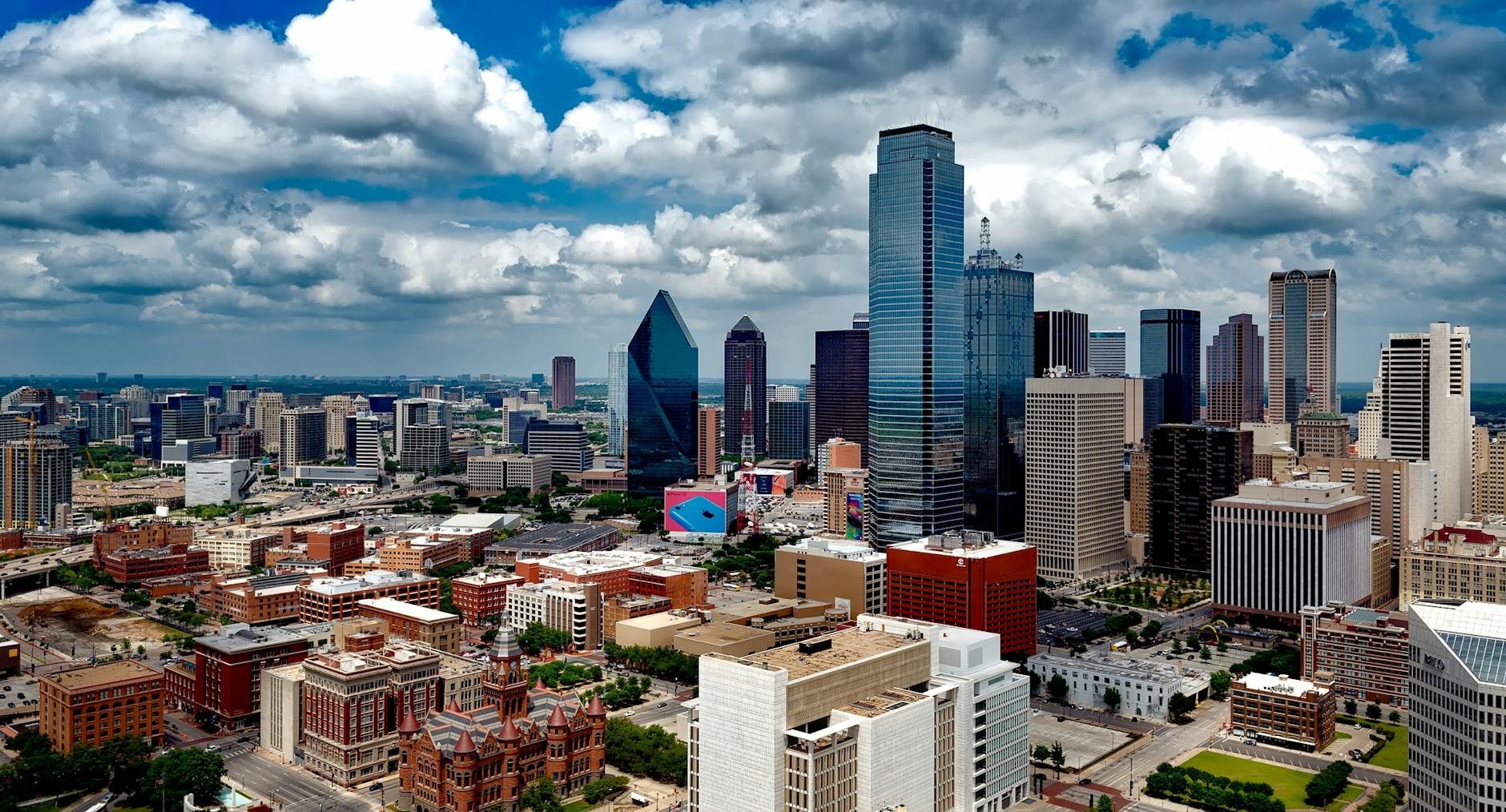
Fostering urban biodiversity creates a balanced ecosystem, crucial for sustainable urban environments. Projects integrating green spaces can combat acid mine drainage issues by providing natural filtration systems. Including vertical gardens, given their space-saving design, can maximize these benefits without encroaching on urban real estate. The key lies in designing multifunctional landscapes that serve both ecological and aesthetic purposes, an approach that has been successfully implemented in various parts of downtown Dallas.
Through these innovative practices, we can redefine urban landscapes, merging high-level engineering with sustainable practices that resonate with modern-day ecological needs.
Project Management Best Practices
Prioritizing Long-Term Value
Creating long-term value in construction projects demands an approach that balances immediate needs with future sustainability. As visionary builders, we aim to integrate systems like food processing industry wastewater treatment solutions that not only address immediate concerns but also anticipate long-term environmental impacts. Leveraging sustainable design elements, such as those seen in Austin's Mueller neighborhood, can significantly enhance the value proposition of any project. Incorporating a water evaporator can be another innovative solution, offering efficient wastewater management that aligns with modern eco-friendly construction practices.
Balancing Innovation and Budget
Balancing innovation with budget constraints is a crucial aspect of project management. It's essential to carefully assess cost-effective solutions without compromising the integrity of sustainable initiatives. Drawing inspiration from sustainable structures like those at the Dallas Arboretum, we can optimise resource allocation to maintain both financial integrity and ecological responsibility. Exploring alternative funding sources or grant opportunities could also be viable options to support green initiatives.
Effective Communication with Teams
Effective communication is vital to ensure that everyone on the team is aligned with the project's vision and goals. Regular meetings and open channels of communication can lead to smoother project implementation, ensuring that everyone’s on the same page. Sharing insights from successful eco-friendly projects, like the green roof initiative at the George W. Bush Presidential Center in Dallas, can stimulate new ideas and encourage team members to actively participate in sustainable efforts. Through collaborative dialogue, everyone contributes to an informed and unified approach, ultimately driving the success of the project.
Common Oversights and How to Avoid Them
Ignoring Critical Environmental Considerations
In our quest to erect future-forward cities, one blind spot we can’t afford is overlooking key environmental factors. It’s no secret — site-specific elements heavily influence the outcome of a project. Take a leaf from eco-friendly projects like Austin's Mueller neighborhood where planners meticulously factored in natural elements to bolster energy efficiency. Incorporating details such as sun positioning and local weather patterns into your blueprint isn't merely a box to tick; it's the very foundation of sustainable construction. Implementing comprehensive environmental assessments can ensure the right balance between nature and urban development.
Neglecting Maintenance Demands
While it's easy for the starry-eyed builder to be dazzled by state-of-the-art installations, underestimating maintenance needs is a rookie mistake that even seasoned professionals can make. Many emulate the green roof initiatives at the George W. Bush Presidential Center, yet forget that these projects require thoughtful, ongoing care to thrive. Drafting a lifecycle maintenance plan should be embedded early in your strategy. This not only safeguards the longevity of your efforts but also aligns with sustainable practices.
Misjudging Investment Paybacks
Lastly, miscalculating return on investment can derail even the most well-intentioned projects. The allure of cutting-edge technology and materials can sometimes eclipse financial prudence. Sustainable architecture, as exemplified by the Dallas Arboretum, deftly merges innovation and foresight, proving that ROI is nuanced. Implement rigorous financial modeling to gauge long-term benefits beyond initial costs, thus ensuring financial viability while championing eco-conscious endeavors.